
Safety plans are static. Emergencies are not.
SafeEVAC is a facility-wide safety platform that coordinates emergency response in real time across your building.
Emergencies rarely follow the script
Emergency response plans are written in advance. But during real incidents:
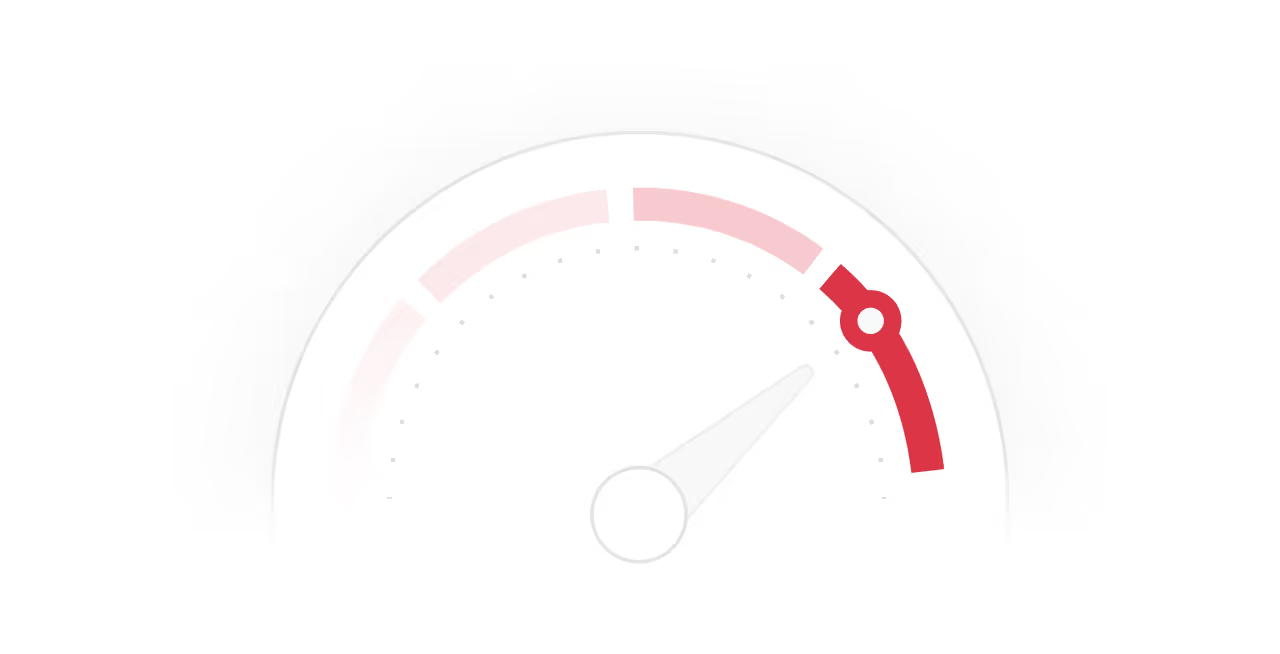
Conditions change rapidly
Fire spreads, smoke fills corridors, and structural integrity fails, faster than any pre-written plan can account for.
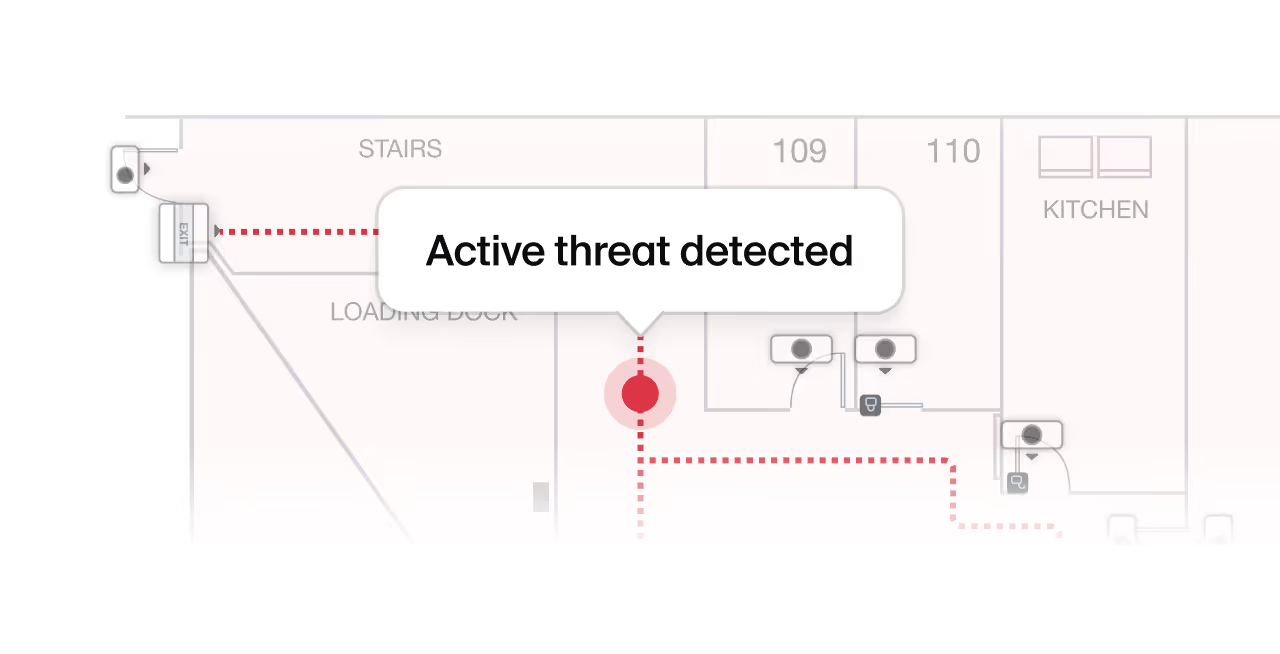
Evacuation routes become unsafe
Traditional exit signs point to every route equally, whether blocked or not. They have no mechanism to detect what's changed.
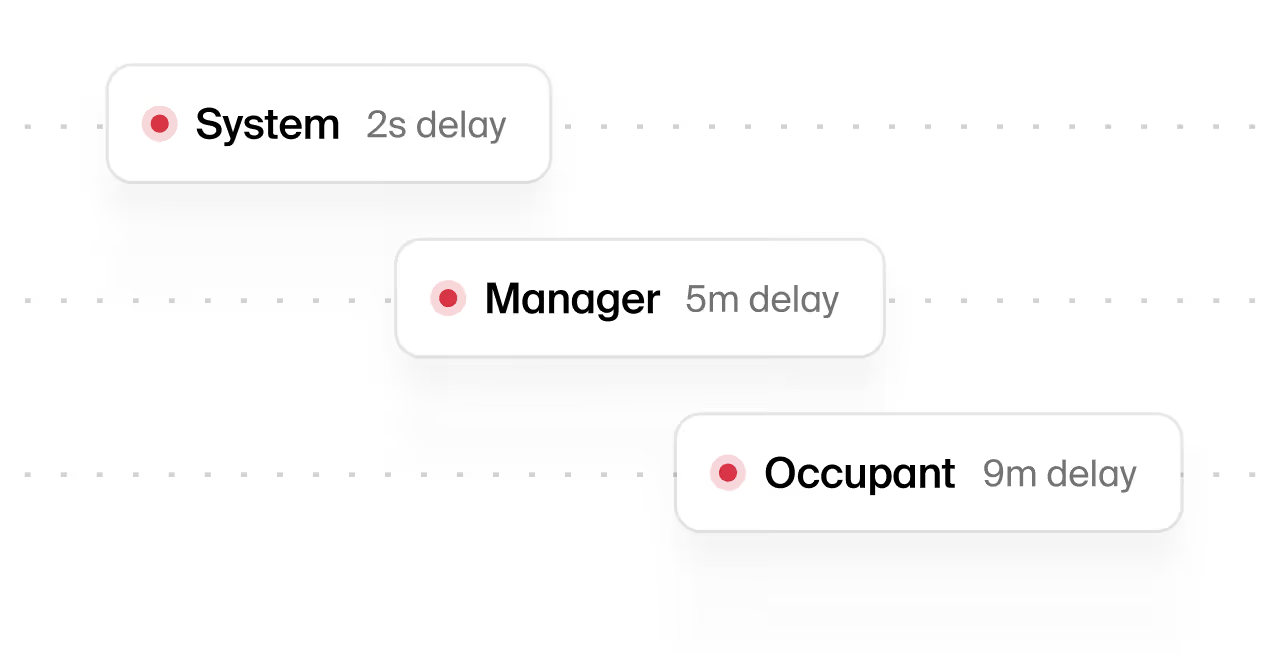
Information arrives unevenly
Every role in a building emergency receives a different fragment of the picture, and must act on it anyway, resulting in real dangers.
SafeEVAC continuously monitors signals across the facility to identify potential emergencies

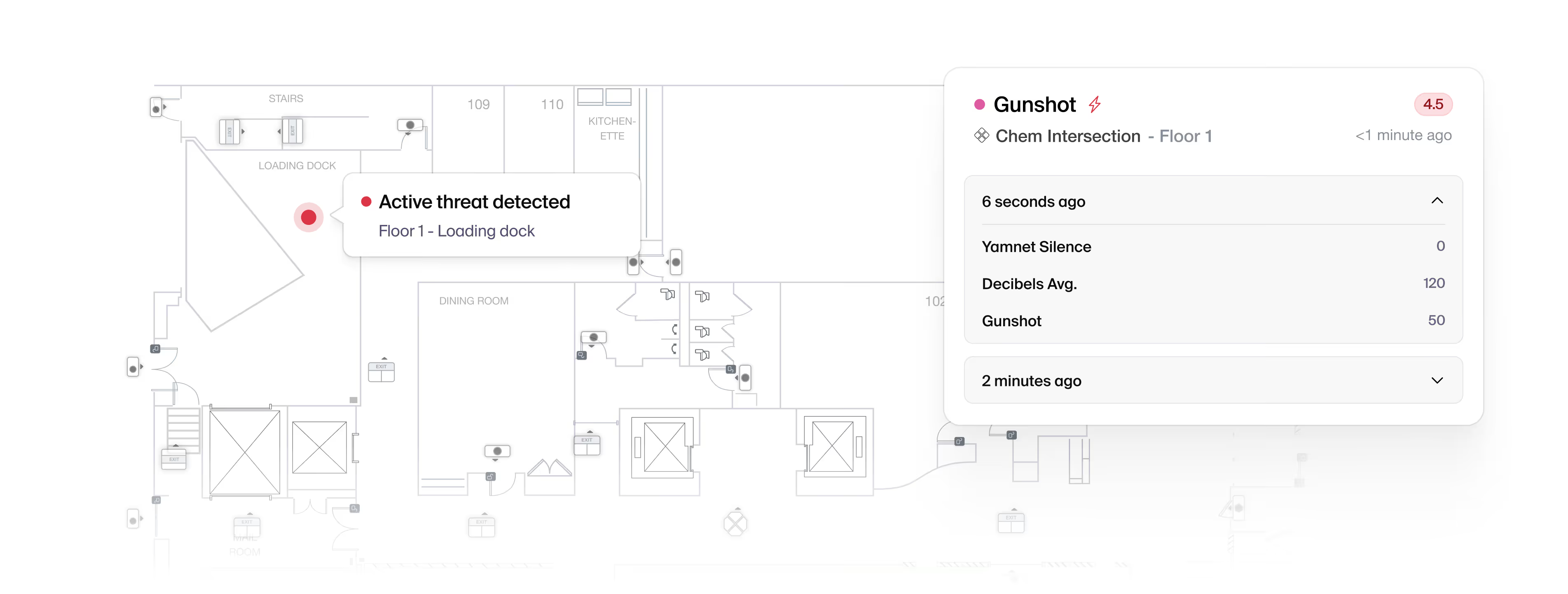
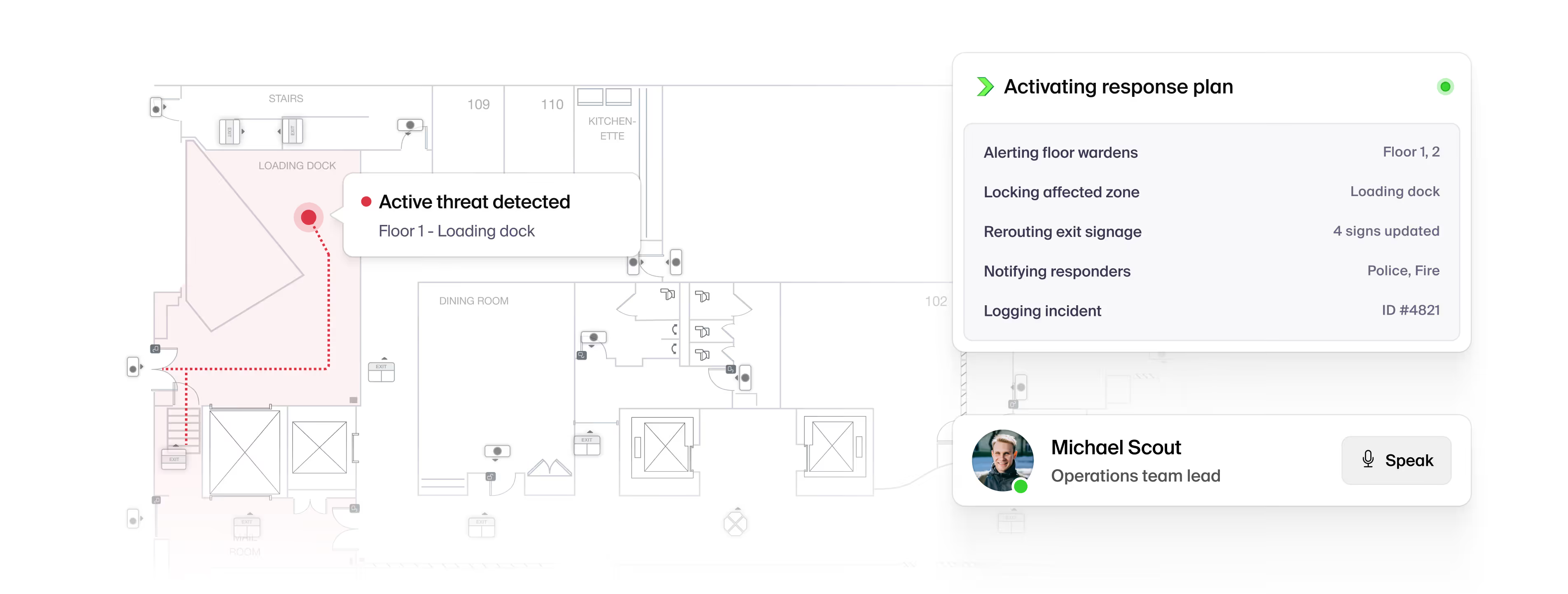

Detection begins at the source of the event
Exit
Replaces traditional exit signage with dynamic, event-driven guidance.
Supplemental
Extends visibility into regularly occupied rooms for localized awareness.
Intersection
Enables real-time routing decisions at critical hallway junctions.
Entryway
Exterior sign communicates building status to those entering or approaching.
Verified response with coordinated visibility.
Potential incidents are reviewed through our Operations Center, where trained operators verify alerts and coordinate response according to the facility’s emergency plans.
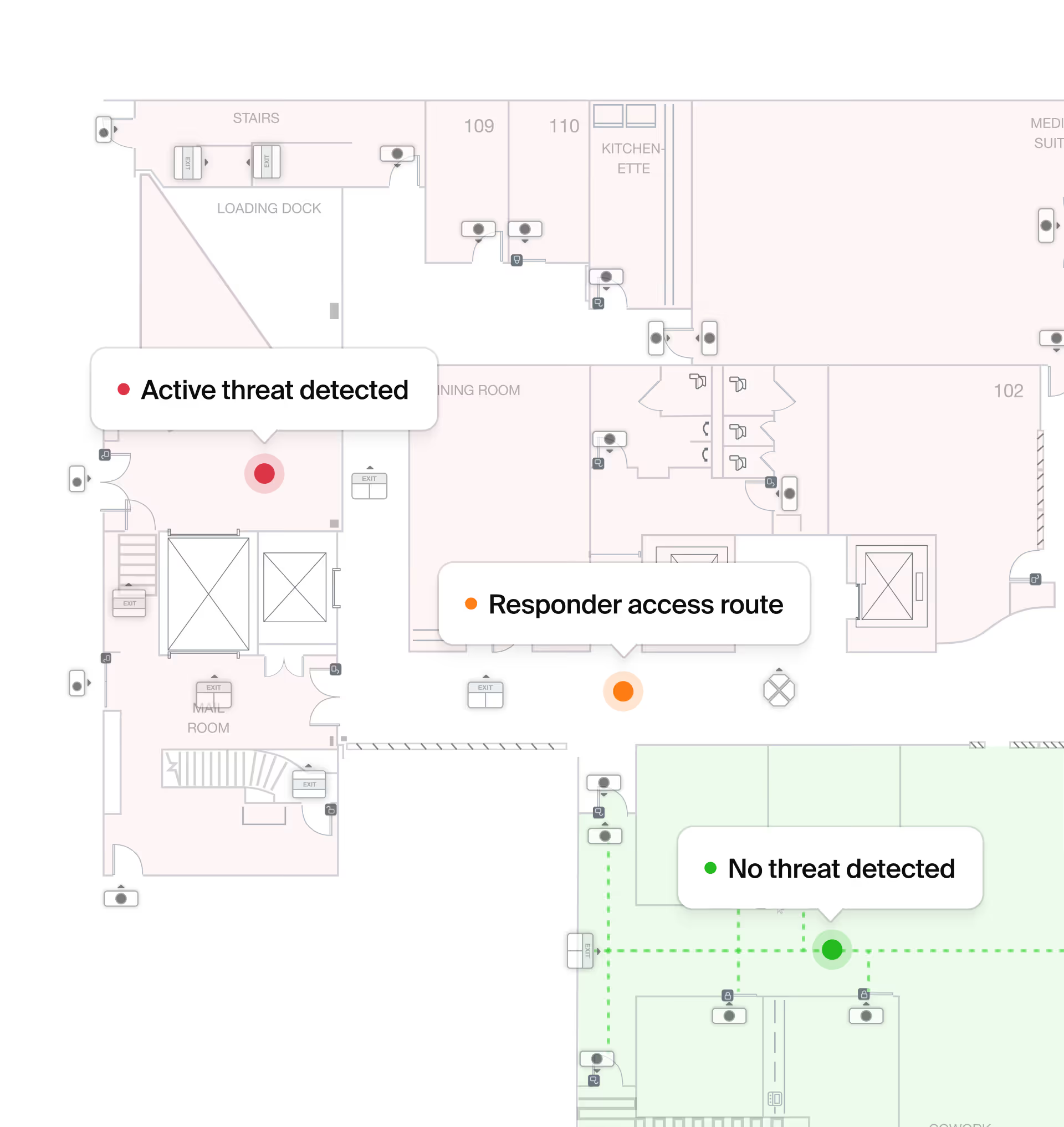
One system. Multiple response modes.
Smart fire evacuation system
Guides occupants to the nearest safe exit during fire events while adapting routes if conditions change.
Adaptive evacuation routing
Reroutes occupants in real time as hazards evolve, steering them clear of blocked paths and toward the safest available exit.
Building-wide lockdown protocol
Secures every entry point the moment a threat is detected and locks down the facility to keep intruders out and occupants safe inside.
Controlled secure mode
Restricts movement to designated safe zones during elevated threats while allowing first responders to move freely through the building.
Shelter-in-place guidance
Directs occupants to the nearest interior safe area during severe weather or airborne hazards and holds them there until conditions clear.
"We are committed to continuous improvement in school safety, and SafeEVAC is an important part of that commitment. It provides peace of mind to our staff, our families, and our community."


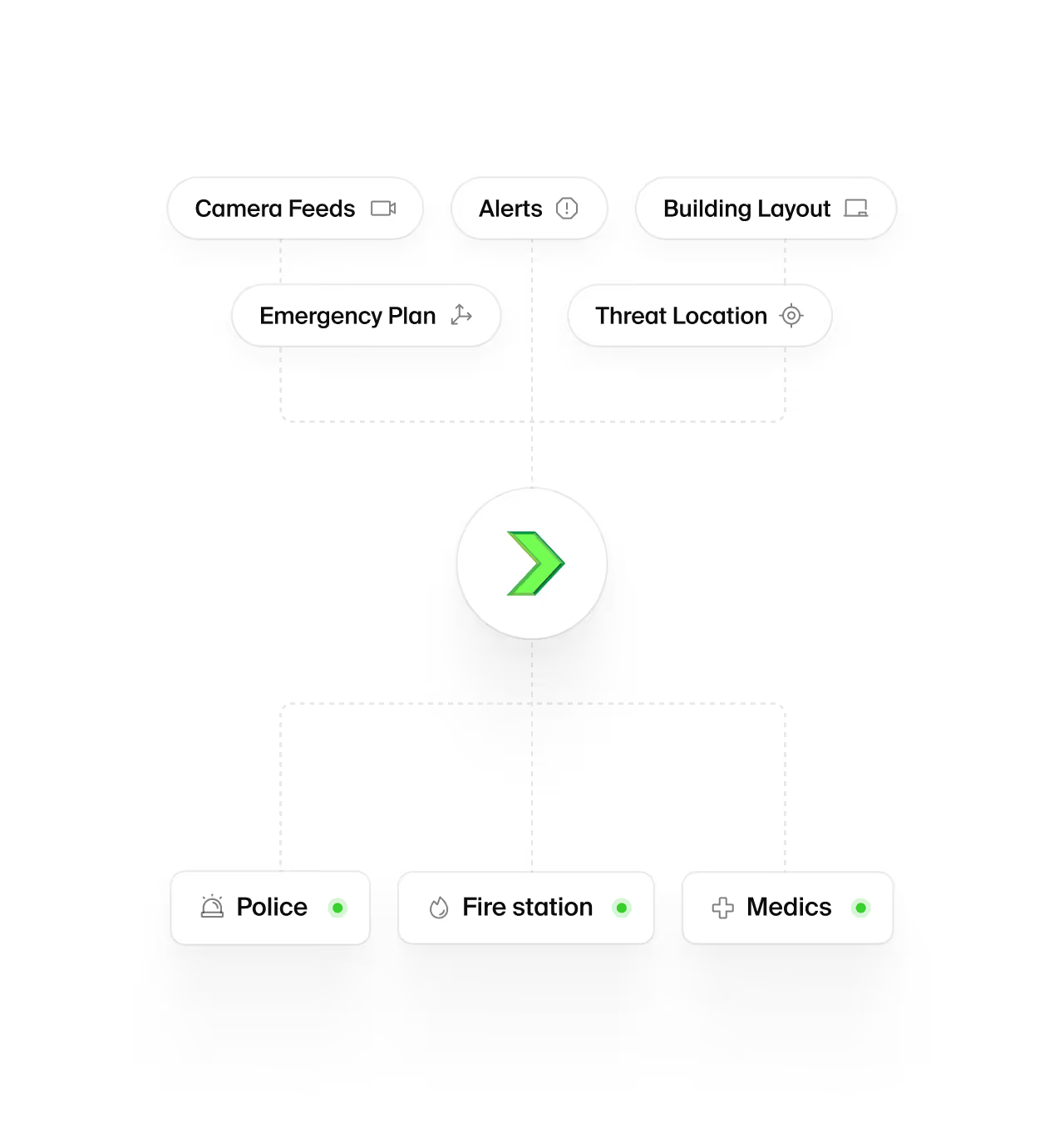
Shared Situational Awareness
The same real-time information is shared across a unified platform to occupants, administrators, and first responders.
Clear direction when every second matters
Integrated video awareness
Access existing camera systems through ONVIF-compatible integration to verify incidents and understand conditions across the facility.

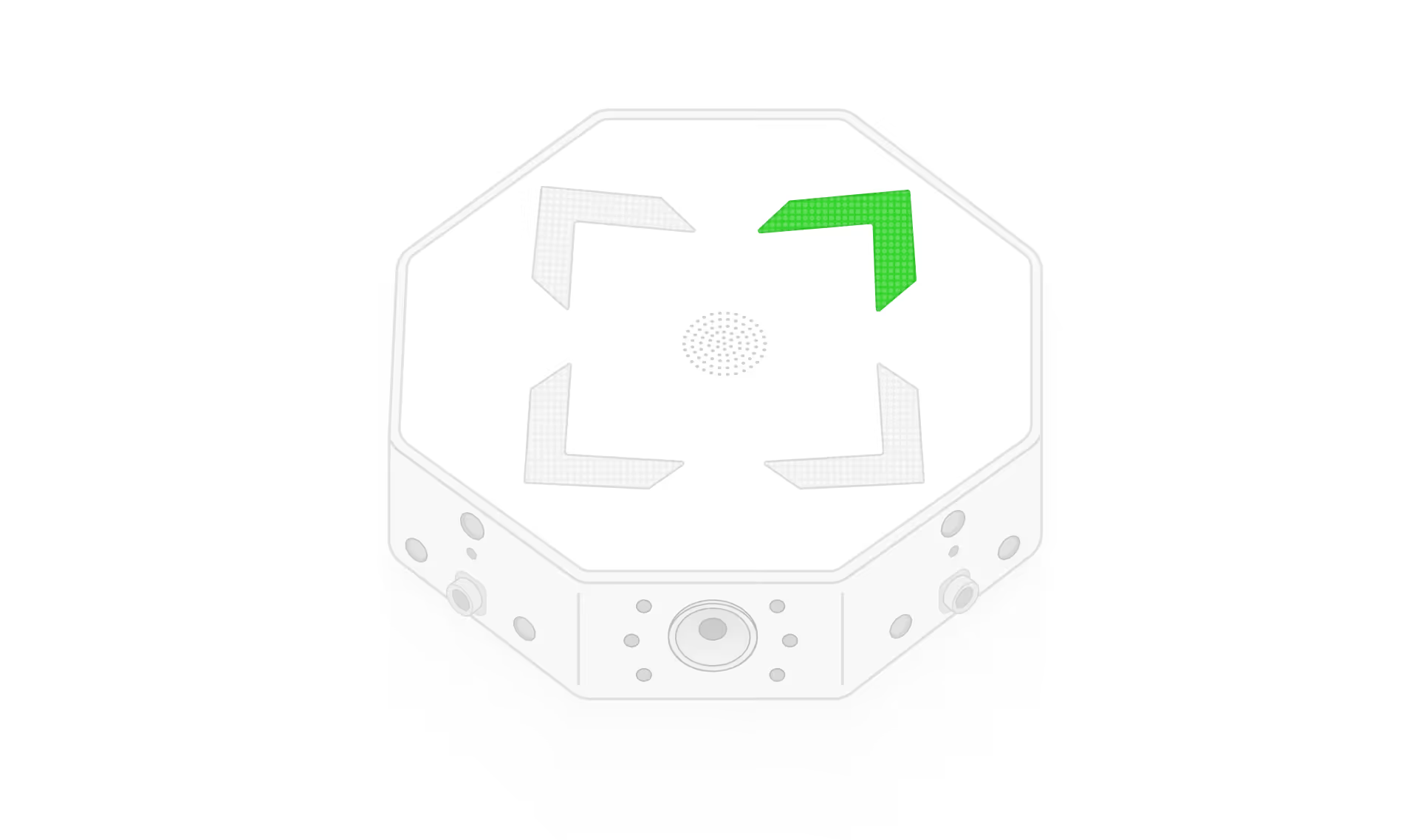
Dynamic evacuation signage
Purpose-built exit signage provides real-time directional guidance based on current conditions inside the building.
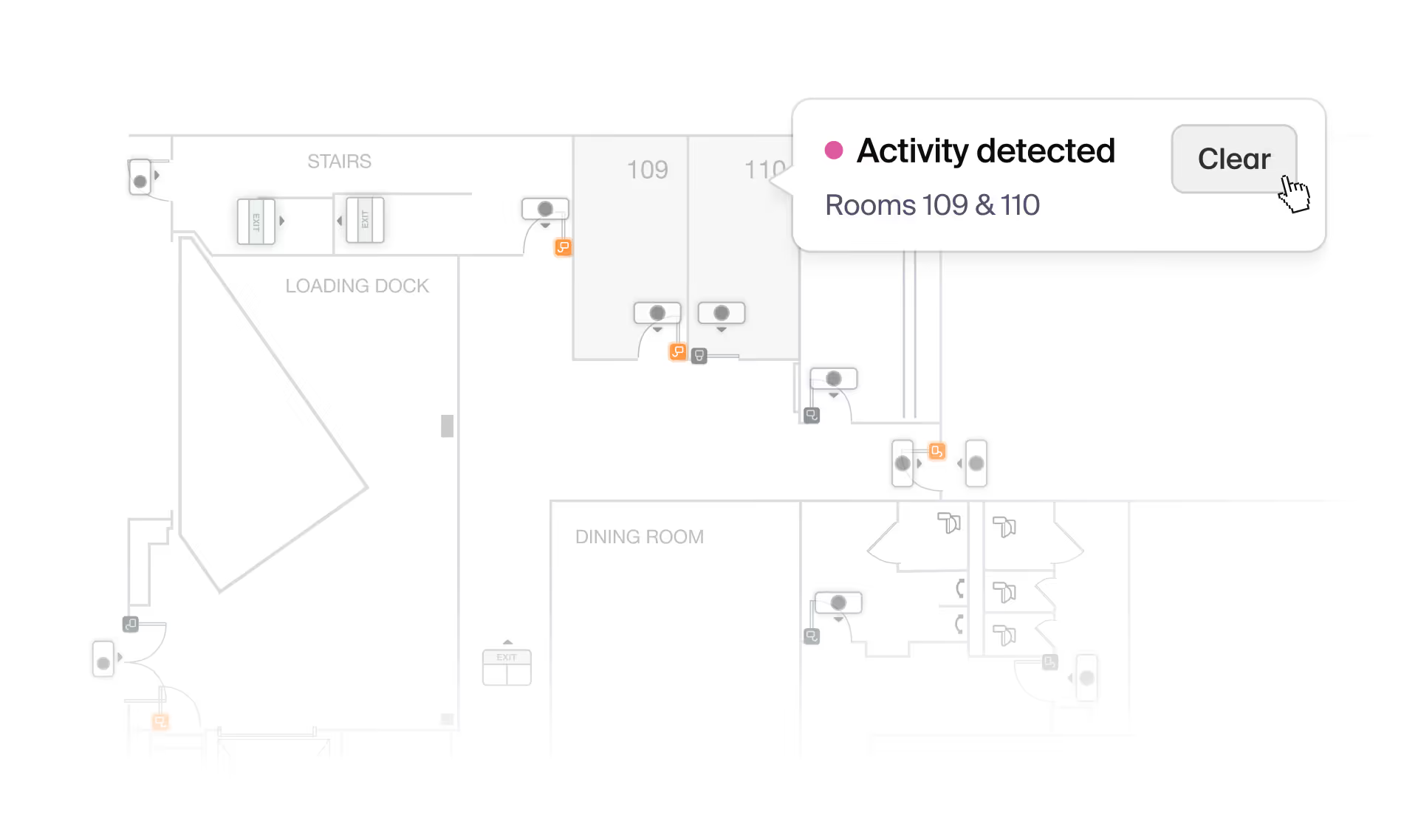
Real-time facility mapping
Building maps combine signals from access control, sensors, and system alerts to visualize incidents and response status instantly.
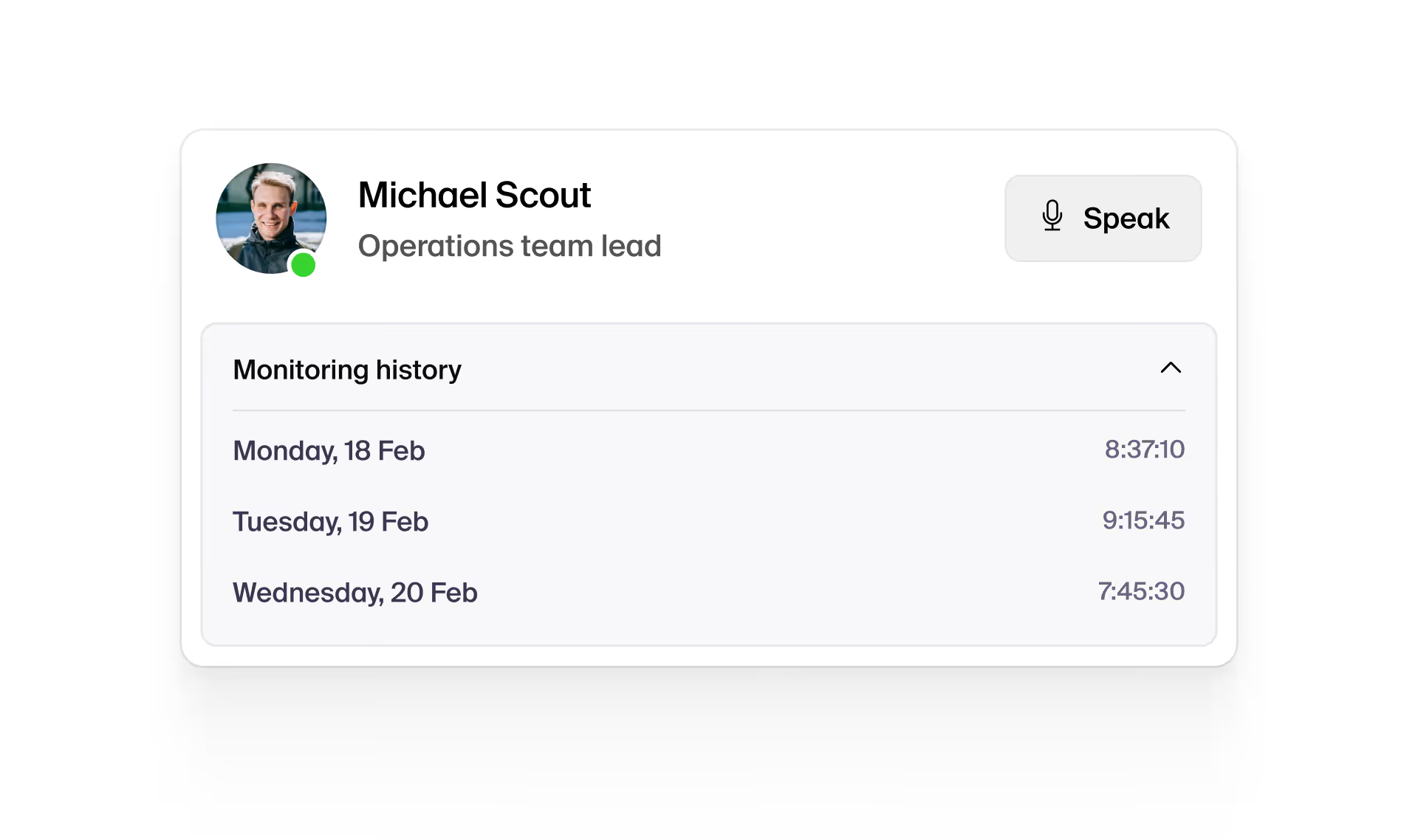
Human-verified response
SafeEVAC operations specialists verify alerts 24/7 and coordinate response according to the facility’s emergency response plan.
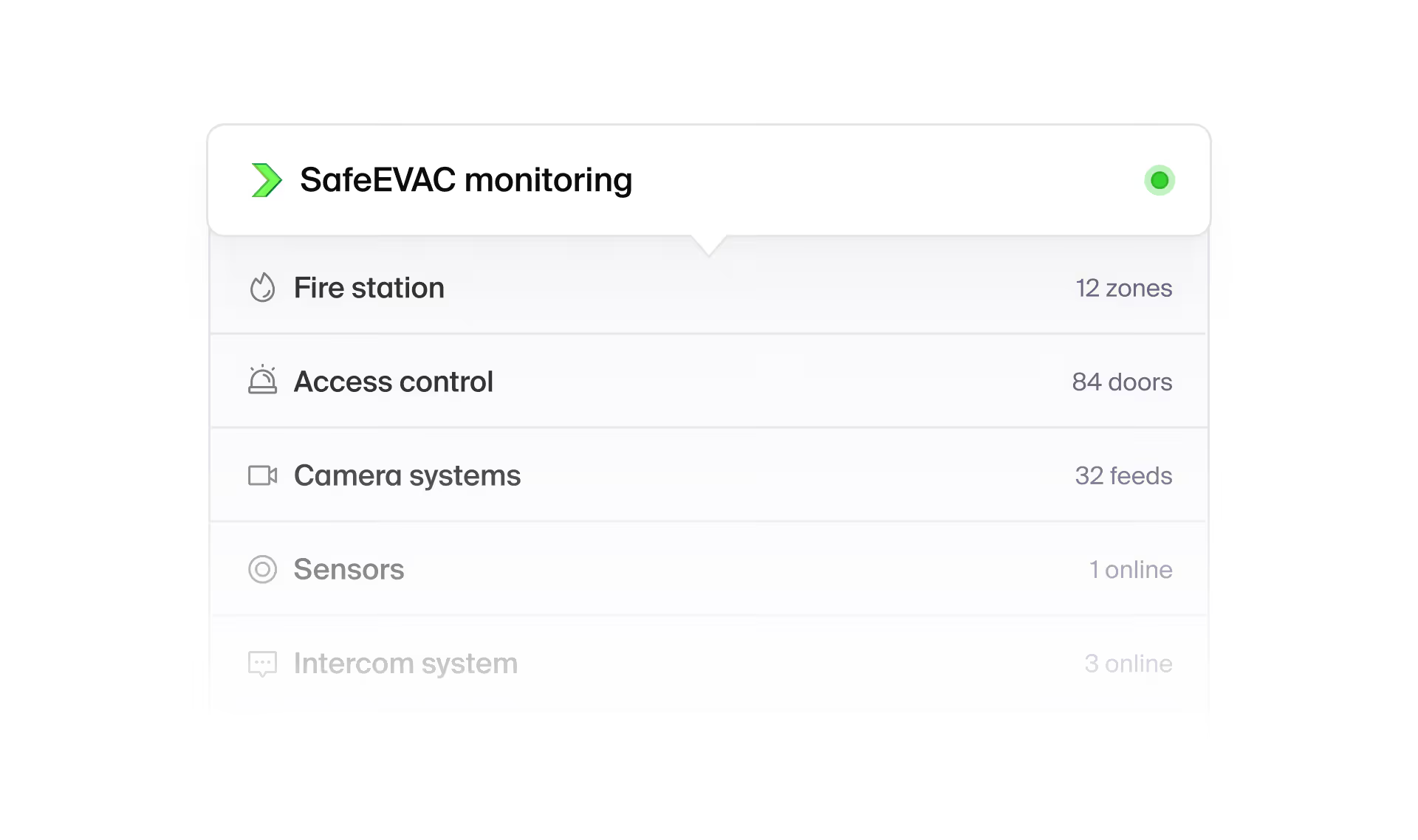
Integrated with existing systems
Works alongside fire panels, access control, and camera systems to enhance and extend your existing safety infrastructure.
Frequently asked questions
All alerts are reviewed and verified by SafeEVAC’s Operations Center or authorized on-site personnel before building-wide guidance is issued.
This reduces false alarms while allowing fast, informed response when it matters.
No. SafeEVAC works alongside your existing emergency response plan, fire systems, and procedures. It helps ensure those plans are carried out in real time, turning procedures into coordinated action across the building.
No. Classrooms are not continuously recorded or monitored. Camera and audio access is limited to active events or scheduled training, and is governed by facility policy.
SafeEVAC integrates with RapidSOS to share verified event data with 911 centers.
This can include building layout, alert details, camera views, and threat location to support coordinated response.
Potential incidents are reviewed by SafeEVAC’s Operations Center or authorized facility personnel before system guidance is activated, helping reduce false alarms while still allowing rapid response.
Authorized personnel such as administrators, security staff, and the Operations Center can initiate or manage events based on predefined policies. All actions follow the facility’s emergency response procedures.
False alarms are rare due to verification steps. If one occurs, the system can be reset by authorized personnel or the Operations Center in accordance with policy.
SafeEVAC is designed with redundancy and backup power support. If internet connectivity is lost, local monitoring and control remain available within the facility.

Have more questions?
Get in touch with our team and we will be glad to answer any questions.